Photos & Files Recovery
4.7193.00Reviews
Analysis ByAppCompare
When I first opened Photos & Files Recovery, I understood the appeal immediately: it promises a focused way to look for pictures and files that have disappeared from the places where I normally expect them. That makes it the kind of tools app I would install after an accidental deletion, a messy file transfer, or a phone cleanup that went further than intended. It is free, aimed at everyone, and developed by Motasemviedo dev, so the barrier to trying it is low.
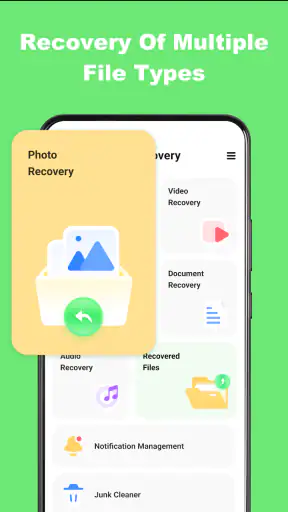
My first impression was positive because the app addresses a very specific worry rather than trying to become a complete file manager. The store summary presents it as photo and video recovery, while the short description also mentions files. That distinction matters: I see it primarily as a recovery utility, not as an everyday gallery, cloud backup service, or replacement for the file browser already on a phone.
From first-week appeal to lasting usefulness
Why the first session feels worthwhile
The strongest moment for this app is the first time I need it. Recovery tools are rarely exciting when everything is fine, but they become valuable when a family photo, downloaded document, or video seems to have vanished. In that situation, a dedicated tool feels more appropriate than searching through every folder manually. I would use it soon after noticing the loss, while I still remembered what had been deleted and where it had originally been stored.
A realistic example is a weekend trip where I clear duplicate images to free space, then notice that one important picture was removed along with them. Instead of scrolling through a crowded gallery and guessing which folders might contain cached copies, I would open this app and begin a focused recovery attempt. The practical benefit is not just speed; it reduces the panic that comes from making more changes while trying to fix the first mistake.
It is also useful for people who move files between a phone and another device. A transfer can leave someone unsure whether an item was deleted, moved, renamed, or simply hidden among unrelated downloads. A recovery app gives that search a clear purpose. I would still check the normal gallery and file manager first, because the item may only be misplaced, but this is a sensible next step when ordinary browsing fails.
What I would do before attempting recovery
The most important practical advice is to stop treating the phone as normal storage once a valuable file disappears. I would avoid taking new photos, downloading large videos, or installing several other utilities before trying recovery. New activity can make an already uncertain situation harder to diagnose. This is not a magic undo button, so the timing of the attempt matters.
I would also make a quick note of the missing item: its approximate name, file type, folder, and the last time I remember seeing it. That information helps me judge the results instead of saving every vaguely familiar image. A recovery list can contain duplicates, thumbnails, temporary versions, or files with unhelpful names. Knowing what I am looking for makes the process less wasteful.
Another useful habit is to recover into a clearly identified folder rather than scattering restored items across the phone. Afterward, I would open the recovered file, check its quality, and copy important material to another safe location. Recovery is only successful when the restored file is usable and protected afterward. Finding a preview is not the same as preserving the original.
Who gets the most value from it
This app makes the most sense for casual Android users who want a straightforward recovery attempt without committing to a larger desktop workflow. It may be especially helpful for someone who does not know how storage folders work but does know that a photo or document has gone missing. The Everyone content rating also makes it suitable for a broad household audience, although I would still supervise recovery of private family material on a shared device.
It can also serve as a useful emergency tool for people who regularly clean storage. Manual deletion is convenient, but it creates a recurring risk: an item that looked unnecessary at the time may become important later. Having a recovery utility already available means the response is quicker than searching for one after the mistake. That is where the app earns more than a single novelty installation.
I would be less enthusiastic about it for anyone who needs a complete backup strategy. A recovery utility should not replace automatic backups, careful file organization, or copies stored away from the phone. If a file is irreplaceable, I would use this app as a rescue attempt, not as the only protection. People who manage large professional archives may also prefer a desktop recovery workflow with more control over drives, file systems, and verification.
How it compares with familiar alternatives
The usual alternatives fall into three groups: the phone’s gallery trash, a file manager, and a cloud backup service. The gallery trash is often the easiest place to check because it preserves recently removed media in a familiar interface. A file manager is better when the item was moved or renamed rather than deleted. Cloud backup is stronger for long-term protection, provided synchronization was already active before the problem occurred.
Photos & Files Recovery sits between those options. It is more purposeful than ordinary folder browsing, but it cannot retroactively create a cloud copy that never existed. Compared with a computer-based recovery program, it is more convenient because I can start on the phone, though convenience usually comes with less control. I would choose it for a quick personal recovery attempt and choose a more advanced solution when the files are business-critical, the storage is seriously damaged, or the first scan does not produce a trustworthy result.
The app’s average rating is 4.7 from around 14K ratings, and it has passed 1M+ installs. Those figures suggest that the recovery problem is common and that many users find the app useful enough to rate. I treat popularity as a reason to consider it, not as proof that every missing file can be recovered. The real test remains whether it finds the particular item I lost and whether the result opens correctly.
Month-to-month value: tool or permanent resident?
For most people, this is not an app I would open every day. Its recurring value comes from being ready when something goes wrong. That makes it different from a notes app, camera utility, or messaging tool that becomes part of a daily routine. I would keep it installed if I often delete files while cleaning storage, share a phone with less technical family members, or handle important media on the device.
For everyone else, the long-term decision is more personal. If I rarely lose files and already use reliable backups, I might remove it after solving the immediate problem and reinstall it only when needed. The app is free, so keeping it costs little in direct terms, but unused tools still occupy storage and add clutter. A small emergency utility earns its place when it reduces future stress, not simply because it once looked interesting.
The current version is 1.1.5, and the app supports Android 7.0 or later. That broad compatibility matters because recovery situations often involve older phones that are still being used as secondary devices. I would check compatibility before relying on it for an aging handset, especially if that phone contains the only copy of important media.
Maintenance without turning it into another chore
The maintenance burden appears modest, but I would not ignore it completely. After installing a recovery tool, I would keep the app updated through the normal store process and occasionally confirm that it still opens on the phone I expect to use. A recovery app that has never been tested is a poor emergency plan. I would rather perform a small, harmless check in advance than discover a problem while trying to save an irreplaceable file.
I would also avoid filling the phone with recovered duplicates. Once I have confirmed which files are valid, I would rename or organize them and remove failed attempts. This is particularly important with photos and videos, where several versions may look almost identical. A clean recovery folder makes it easier to tell what was restored and prevents the app from becoming another source of storage confusion.
Privacy deserves practical attention too. Recovery work can expose personal images, documents, and videos in one place. I would use the app on my own device, review the destination folder afterward, and avoid casually sharing screenshots of the results. Even without turning the process into a technical investigation, treating recovered material as sensitive is simply good digital hygiene.
Where fatigue can set in
The main source of frustration is uncertainty. A recovery result can look promising while still being incomplete, damaged, duplicated, or missing its original name and folder. If I had to inspect a long list of similar thumbnails, the app would quickly feel less convenient than it did during the first few minutes. That is why I would begin with one missing item and a clear recovery goal instead of trying to restore everything at once.
Another possible fatigue point is expectation management. The phrase “recovery” can sound more powerful than the underlying situation. If storage space has been reused, if the file was never stored locally, or if the item was only a cloud placeholder, a phone-based recovery attempt may not solve the problem. I would not repeatedly scan in the hope that persistence alone will recreate data that has already been overwritten.
There is also a trade-off between simplicity and control. A focused mobile tool is easier to approach than specialist software, but advanced users may want detailed filtering, drive images, file-system views, or stronger verification. If those controls are essential to the job, I would move to a computer-based solution rather than forcing this app into a role it was not designed to fill.
Small workflows that make it more useful
My preferred workflow starts with the least invasive checks. I look in the gallery’s recently deleted area, search the normal file manager, and check any backup or synchronization service already in use. Only then do I begin recovery. This order prevents me from using a specialized tool for a simple misplaced-file problem and gives me a better reference for judging what the app actually recovered.
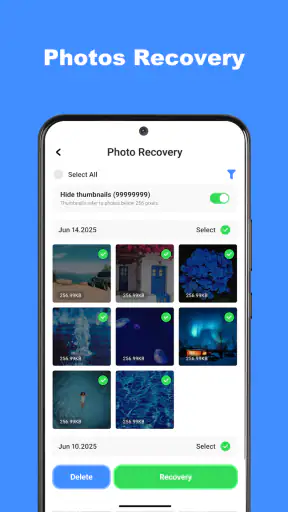
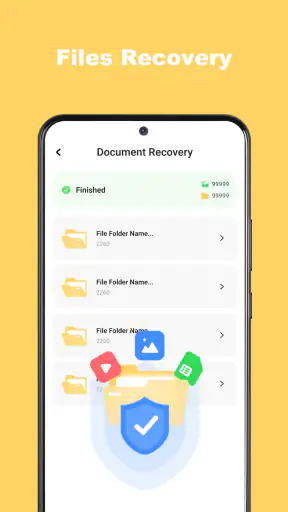
For photos, I would sort the results by context in my own mind: approximate date, event, people shown, and expected image quality. For documents, I would look for the file extension and open a copy rather than editing the recovered original immediately. For videos, I would play the entire clip, not just rely on a thumbnail. These checks take a little extra time but prevent false confidence.
When helping a less technical relative, I would handle the process in stages. First I would identify one or two files they truly need, then recover those and verify them before attempting a larger batch. This is less overwhelming than presenting a huge result list, and it reduces the chance of filling the phone with unnecessary copies. In my experience, the best recovery session is controlled and selective, not a frantic attempt to save every item displayed.
I would also treat the app as a prompt to improve future habits. After recovering something important, I would set up a regular backup routine, export essential documents, or create a second copy of family media. The app’s lasting value is partly indirect: it reminds me that recovery is a safety net, while prevention is the more reliable system.
My long-term verdict
Photos & Files Recovery earns a place on my phone when I expect to manage lots of personal media or when I am supporting family members who frequently delete files by mistake. Its free access, wide audience, and focused purpose make it easy to keep available as an emergency tool. I like that it addresses a real problem without asking me to reorganize my entire digital life around it.
Still, I would not describe it as a substitute for backups or as a guaranteed answer to every deletion. The app is most convincing when the loss is recent, the file was local, and the recovery results can be checked carefully. It is less suitable for serious data loss, professional archives, or situations that demand detailed technical control. In those cases, the usual alternatives may be safer and more thorough.
After the novelty fades, the question is whether I will remember it when I need it. For me, the answer is yes, but with a clear role: it is a rescue utility, not a daily destination. I would keep it installed on a phone used for frequent photo and file handling, test that it remains ready, and pair it with proper backups. Used that way, Motasemviedo dev’s tool has recurring practical value without becoming another app I open out of habit.
FAQ
What is Photos & Files Recovery, and what can it recover?
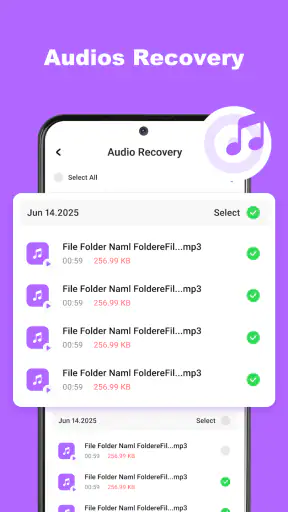
Photos & Files Recovery is designed to help users search for and restore deleted or hidden media and documents stored on an Android device. Depending on the phone model, storage system, and how long ago the files were removed, it may find photos, videos, audio files, or other supported formats. Recovery results are not guaranteed, especially after new data has overwritten the deleted files.
Does Photos & Files Recovery require root access?
The app may offer basic scanning without root access, allowing it to check accessible folders and cached areas on the device. However, deeper scans can require root permissions on some Android phones. Rooting a device involves technical risks, may affect security or warranty support, and should only be attempted by experienced users. Check the app’s current requirements before granting any advanced permissions.
Can the app recover files deleted a long time ago?
It depends on the device and how it has been used since deletion. When a file is removed, its storage space can eventually be reused by new photos, downloads, app data, or system processes. If the original data has been overwritten, recovery is usually impossible. For the best chance of success, stop using the affected storage and run a scan as soon as possible.
Where are recovered photos and files saved?
Recovered items are normally saved to a folder selected by the app or to a location chosen by the user, such as internal storage, a Pictures folder, or an external memory card. Before starting recovery, make sure the destination has enough free space. Saving recovered files to a different storage location is preferable because it reduces the risk of overwriting other recoverable data.
Is Photos & Files Recovery safe to use, and what permissions does it need?
The application may request access to photos, videos, files, and device storage so it can scan for recoverable content and save restored items. Review these permissions carefully and download the app only from a trusted source. Avoid granting unrelated access, such as contacts or microphone permissions, unless clearly explained. Also remember that recovery apps cannot guarantee restoration of every deleted file.
Pros
- Recovers deleted photos
- videos
- and files from internal storage.
- Simple interface makes the recovery process easy for beginners.
- Lets you preview files before restoring them.
- Can save recovered items to a selected folder or cloud service.
- Useful for finding recently deleted media without root access.
Cons
- Recovery results depend heavily on how long ago files were deleted.
- Some features may require a premium upgrade or subscription.
- Deep scans can take considerable time on devices with large storage.
- Recovered files may have reduced quality or incomplete metadata.
- Privacy permissions are required to scan storage and locate deleted items.